# The Seven Most Powerful Japanese Engines Ever Built for Production
Japanese domestic market engines have delivered some of the automotive world's most impressive power outputs, balancing engineering precision with raw performance. Jalopnik has compiled a definitive list of seven production JDM engines that stand as testaments to Japan's engineering dominance in the ICE era.
The list reflects decades of automotive evolution, from naturally aspirated legends to turbocharged monsters. These engines powered everything from supercar-fighting sports cars to family sedans that embarrassed European performance machines. Each represents a peak moment in Japanese automotive technology.
The Toyota 2JZ-GTE twin-turbocharged engine stands among the most recognizable. This 3.0-liter inline-six produced 320 horsepower in stock form but gained legendary status for reliability and tuning potential. The engine powered the Supra A80 and became a favorite for engine swaps across multiple platforms. Its aftermarket ceiling pushed well beyond 1,000 horsepower without fundamental redesign.
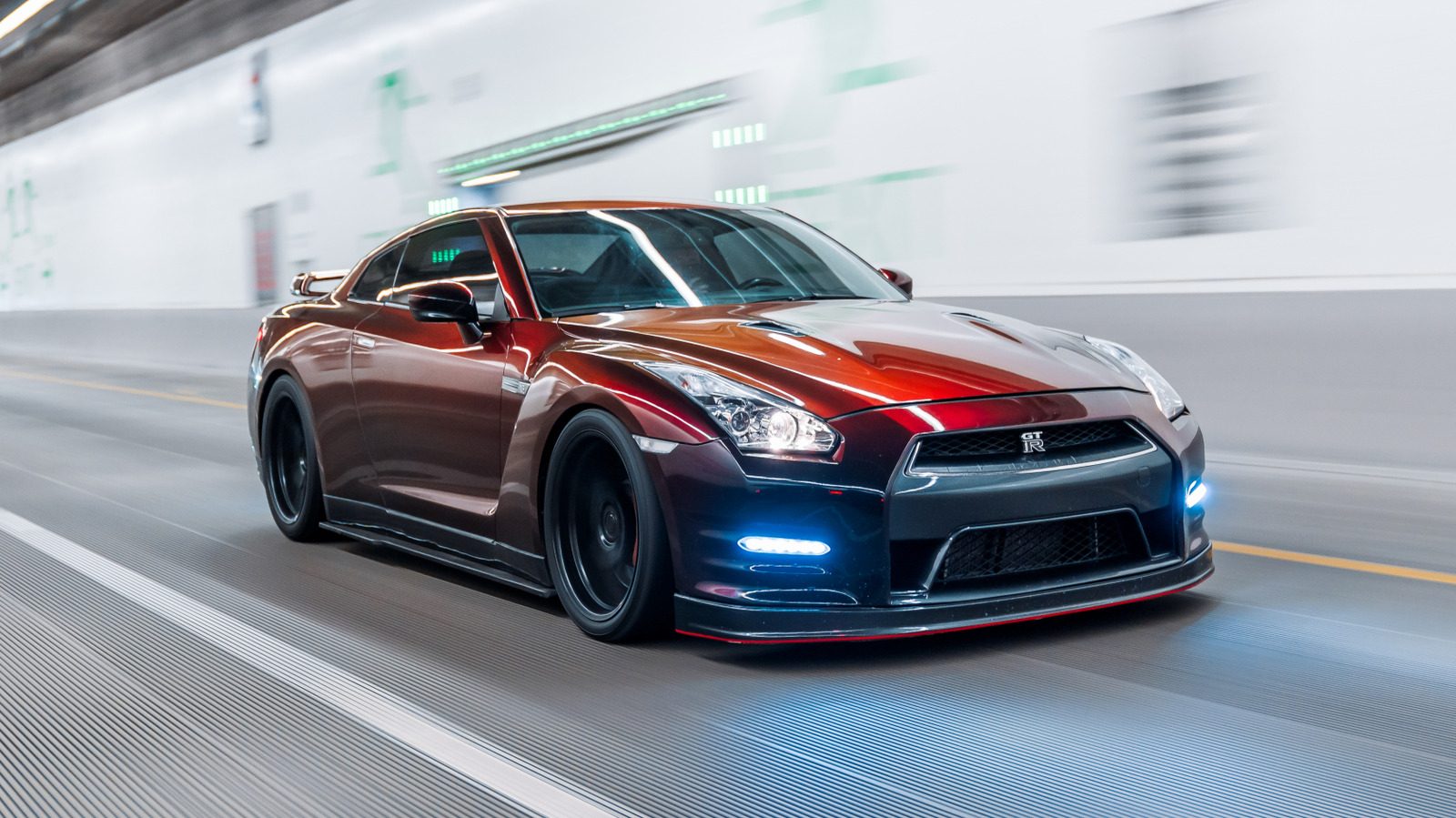
Nissan's RB26DETT twin-turbocharged 2.6-liter inline-six from the Skyline GT-R R33 and R34 generations delivered 320 horsepower in standard guise. This engine's combination of boost, displacement, and engineering overcame its modest factory numbers to become a drift and street racing staple. The RB engine family represented Nissan's performance pinnacle during the 1990s and early 2000s.
Honda's legendary B18C Type R engine, a 1.8-liter naturally aspirated inline-four, produced 200 horsepower in the Integra Type R. That output from such a small displacement showcased Honda's ability to extract maximum efficiency from limited cubic inches. The engine achieved nearly 11,000 RPM and remains a textbook example of high-revving Japanese engineering.
Mitsubishi's 4G63T turbocharged 2.0-liter four-cylinder appeared in the Evolution series, eventually generating over 280 horsepower. This engine established the platform for affordable AWD performance and made rally racing accessible to enthusiasts worldwide.
Subaru's EJ20 turbocharged boxer engines, particularly in WRX and STi applications, delivered close to 305 horsepower in final evolution. The horizontally-opposed layout provided handling advantages and became synonymous with rally performance.
Mazda's 13B rotary engine, despite its unconventional design, produced competitive horsepower numbers in the RX-7 FD and pushed beyond 280 horsepower in later iterations. Rotary engineering represented Mazda's unique approach to Japanese performance.
Toyota's 1UZ-FE naturally aspirated 4.0-liter V8, fitted in the Lexus LFA and SC300, generated 435 horsepower. This engine showcased how displacement combined with refinement created supercar-level performance.
These engines shaped enthusiast culture and influenced global automotive development. Their reliability, tuning potential, and power delivery established templates that manufacturers still follow today. The JDM golden age produced engines that remain competitive in modern contexts and continue attracting buyers to decades-old platforms.